
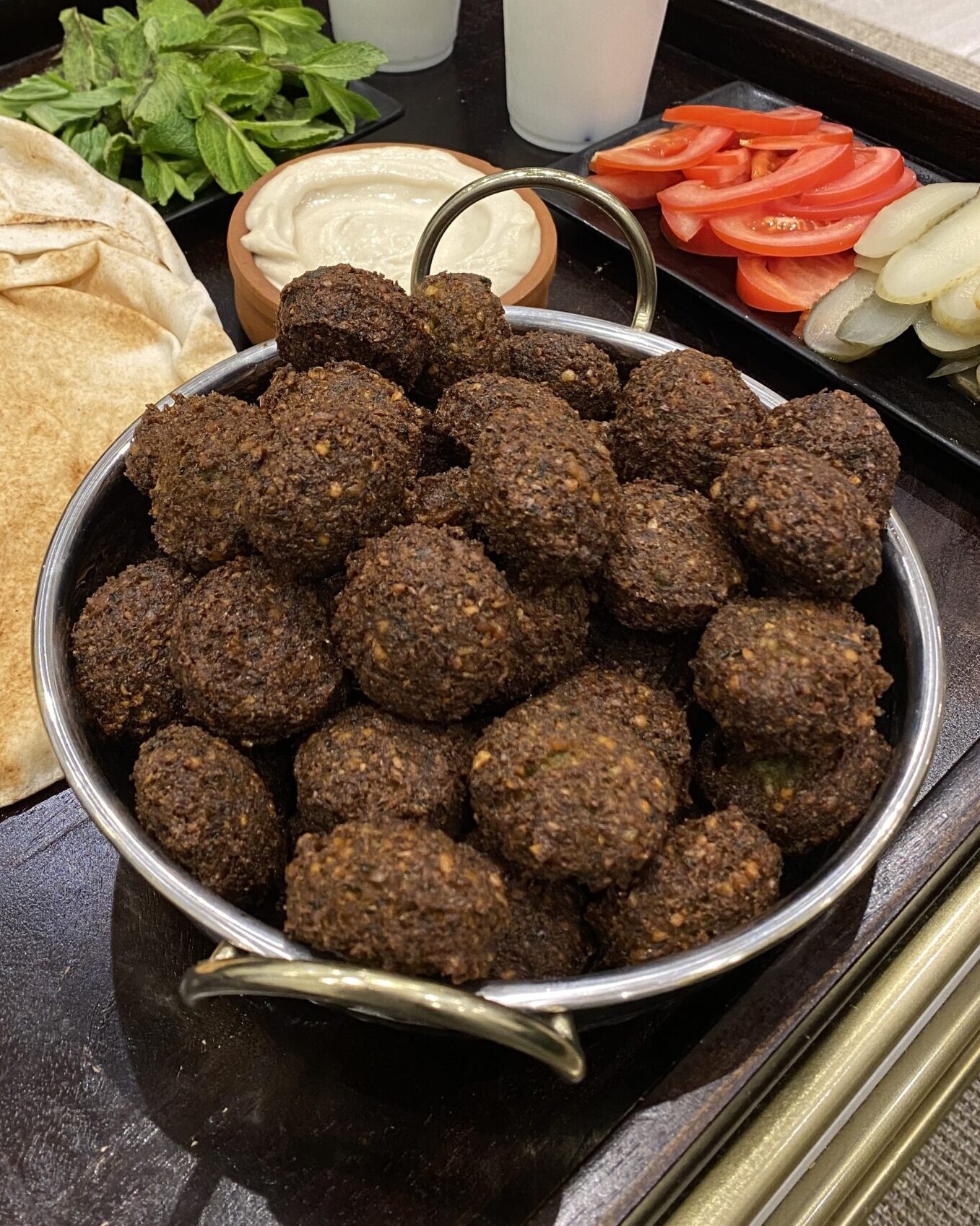
If you’ve ever searched for the perfect falafel recipe, this guide has everything you need. Using authentic falafel ingredients, you can make my falafel at home that rivals the freshest dishes from a Middle Eastern falafel station. Unlike the dry, overpriced options you find at falafel Tesco, this recipe ensures your falafel is crispy on the outside, soft and moist inside, and bursting with flavor. From chickpeas and fava beans to fresh herbs and spices, these falafel ingredients will help you create a truly memorable dish.
The History of Falafel
If you’ve ever searched for the perfect falafel recipe, this guide has everything you need. Using authentic falafel ingredients, you can make my falafel at home that rivals the freshest dishes from a Middle Eastern falafel station. Unlike the dry, overpriced options you find at falafel Tesco, this recipe ensures your falafel is crispy on the outside, soft and moist inside, and bursting with flavor. From chickpeas and fava beans to fresh herbs and spices, these falafel ingredients will help you create a truly memorable dish.
From Egypt, the dish gradually spread throughout the Levant and the wider Middle East, particularly during the late Ottoman period when trade, migration, and travel connected cities across the region. As falafel moved north into countries like Lebanon, Syria, and Palestine, cooks adapted the recipe using ingredients that were more commonly available in those regions. Chickpeas became the dominant ingredient in many Levantine versions, sometimes replacing fava beans entirely or being combined with them.
Falafel likely originated in Egypt over a thousand years ago as a dish called ta’ameya, made primarily from fava beans. Some historians believe Coptic Christians invented it as a meat-free meal for fasting periods. Over time, falafel spread across the Middle East. In the Levant, chickpeas became the dominant ingredient, and today many recipes combine both chickpeas and fava beans for the perfect balance of creaminess and earthiness.
Experiencing Falafel Around the Middle East
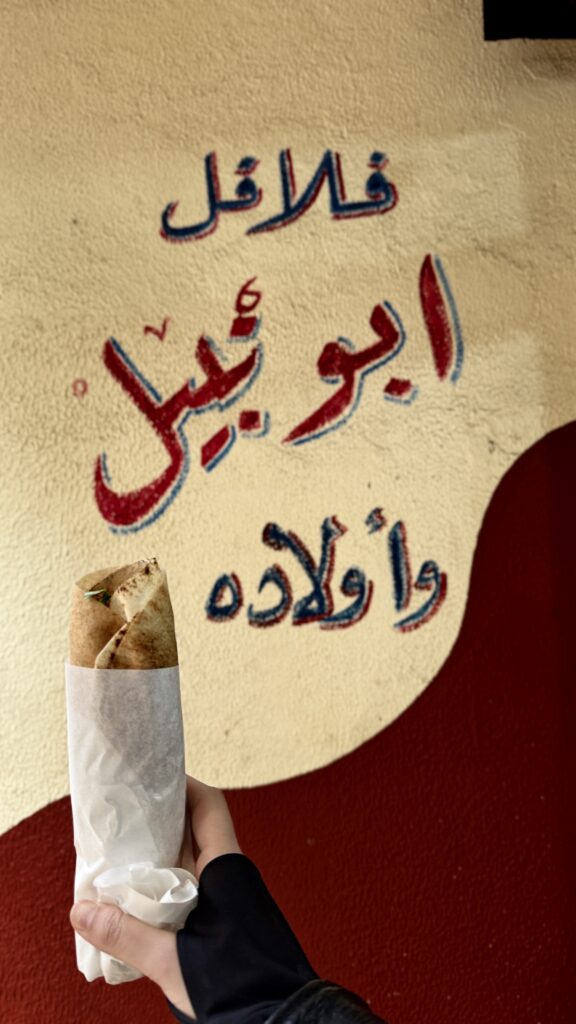
Beirut, Lebanon – Falafel Abou Nabil & Sons
During my December 2025 trip to Beirut, I discovered a falafel paradise at this famous falafel station. Their falafel sandwich
had a crispy exterior, moist interior, and just the right balance of pickles, fresh vegetables, and tarator sauce. It was so good that I regretted not grabbing a second one!
Amman, Jordan – Hashem Restaurant
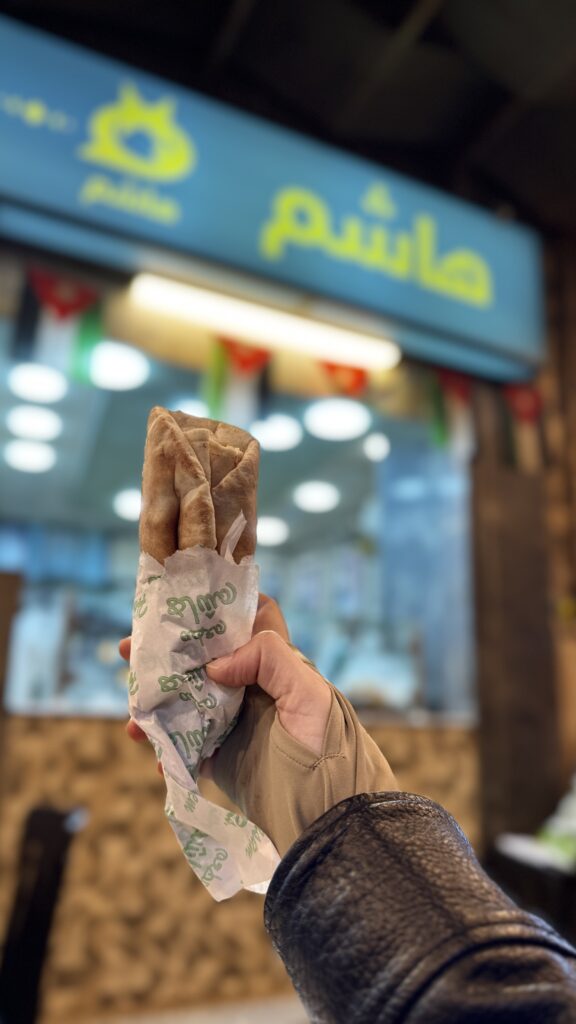
In January 2026, I visited Hashem Restaurant in Amman. The falafel was decent but slightly dry compared to Beirut. This just reminded me how important the right falafel ingredients and frying method are.
Why Most Falafel in the UK is Dry
If you’ve ever bought frozen or pre-made falafel from falafel Tesco, you’ll know the problem: dry, dense, and overpriced. Authentic falafel should be:
- Crispy on the outside
- Moist and soft inside
- Bursting with herbs, onions, garlic, and spices
The secret is soaking your beans, using a coarse grind, and frying at the right temperature. That’s why making my falafel at home is always worth it.
Essential Falafel Ingredients
Here’s what you’ll need for fresh, authentic falafel:
- Dried chickpeas and fava beans (soaked overnight)
- Onion and garlic for depth of flavour
- Fresh coriander for brightness
- Spices: cumin, ground coriander, cayenne pepper, and 7 spices
- Baking powder and baking soda for a light, fluffy interior
- Lemon juice and a little water for balance
Using high-quality falafel ingredients is crucial—especially if you want your falafel to rival those from a top falafel station.
My Falafel Recipe.
Prep Time: 1 day | Cook Time: 45 minutes
Instructions
1. Soak the Beans
Cover 200 g dried chickpeas and 200 g fava beans in 2 litres of water overnight.
2. Prepare the Mixture
Drain, rinse, and combine with 100 g onion, 5 garlic cloves, and 1/2 bunch coriander.
3. Blend
Process in a food processor or grinder until medium-coarse.
4. Season
Add 1.5 tsp salt, 1 tsp 7 spices, 1 tsp ground coriander, 1 tbsp cumin, 1/2 tsp cayenne pepper, 1 tsp baking powder. Mix, then sprinkle 1 tsp baking soda and drizzle 1 tbsp lemon juice with 1/4 cup water. Mix for 2 minutes.
5. Shape & Fry
Heat oil to 180°C (350°F). Shape into discs using a falafel scoop or hand-shape. Fry until golden brown. Drain on paper towels.
6. Serve
Serve my falafel in Lebanese bread with pickles, fresh mint, sliced tomatoes, and drizzle with tarator sauce.
Tips for Perfect Falafel
Never use canned beans—they make falafel mushy
Don’t overprocess; a coarse texture is key
Heat oil properly: too cool = soggy, too hot = burnt outside, raw inside
Fry in small batches for even cooking
Falafel: A Dish That Connects Cultures
Falafel is more than just food—it’s a shared culinary heritage across the Middle East. From Egypt to Lebanon, each region and family has its own version. Making my falafel at home lets you enjoy this tradition while skipping the dry UK versions or overpriced falafel Tesco packs.
Whether at a bustling falafel station or your own kitchen, falafel reminds us that the best meals are simple, flavorful, and full of love.
Falafel is most commonly served in flatbread sandwiches with vegetables and sauces. Typical accompaniments include:
- Pickles
- Fresh mint
- Lettuce and tomatoes
- Lemon juice
- Tarator sauce (tahini-based sauce with garlic and lemon)
It can also be enjoyed as part of a mezze spread alongside hummus, baba ghanoush, and fresh salads.
Falafel
Ingredients
- 200 g dried chickpeas
- 200 g dried split shelled fava beans
- 2 litres water
- 100 g white onion
- 5 garlic cloves
- 1/2 bunch coriander
- 1.5 tsp salt
- 1 tsp 7 spices
- 1 tsp ground coriander
- 1 tbsp cumin
- 1/2 tsp cayenne pepper
- 1 tsp baking powder
- 1 tsp baking soda
- 1 tbsp lemon juice
- 1/4 cup water
Instructions
Soak the Beans
- Place the dried chickpeas and dried fava beans in a large bowl.
- Cover with 2 litres of water and soak overnight.
Prepare the Mixture
- Drain and rinse the beans under cold water.
- Transfer to a large bowl and add the onions, garlic, and cilantro.
- Mix to combine.
Blend
- Transfer half of the mixture to a food processor or meat grinder.
- Pulse until it reaches a medium-coarse texture, scraping down the sides as needed.
- Transfer to a bowl and repeat with the remaining mixture.
Season
- Add salt, spices, and baking powder, then mix.
- Place the baking soda on top and pour the lemon juice over it.
- Add 1/4 cup water and mix by hand for about 2 minutes until well combined.
- Cover and let rest for 10 minutes.
Shape & Fry
- Heat vegetable 180°C (350°F) in a medium pan.
- Use a traditional falafel scoop (mould) to shape the mixture into discs.
- Gently release the falafel directly into the hot oil.
- Fry until golden brown and cooked through.
- Transfer to a paper towel-lined plate to drain.
Serve
- Serve the falafel in fresh Lebanese bread with a squeeze of lemon juice, stuffed with pickles, fresh mint, and sliced tomatoes, then drizzle with tarator sauce.