
The History and Origins of Iraqi Dolma
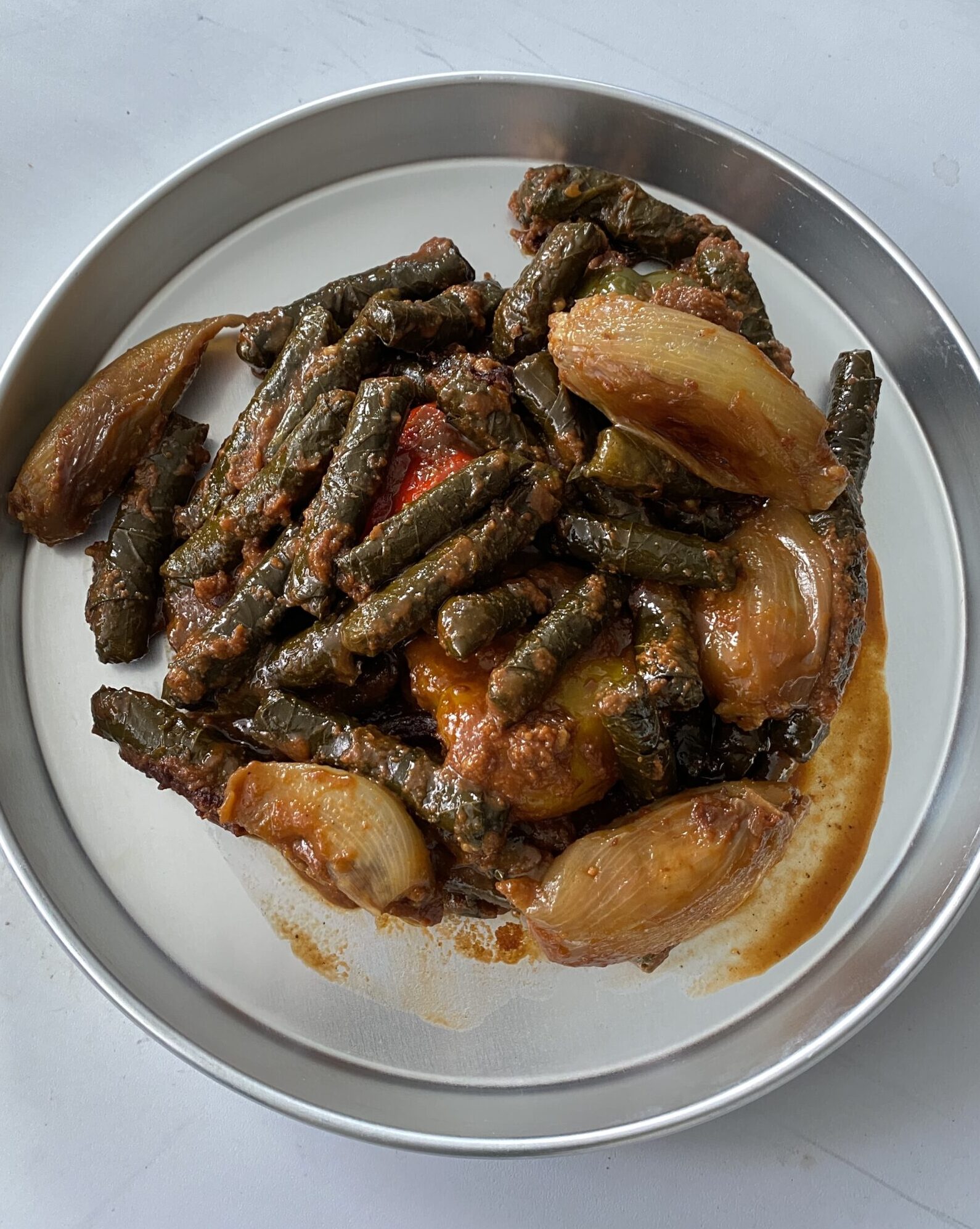
Iraqi dolma is one of the most iconic dishes in Iraqi cuisine. Known for its rich flavours, colourful vegetables, and impressive presentation, this traditional Middle Eastern stuffed vegetable dish is often the centrepiece of family meals and gatherings. While dolma may look elaborate, it is fundamentally a dish built on tradition, patience, and the careful layering of ingredients that slowly cook together to create deep, complex flavours.
Across the Middle East, the word dolma refers to vegetables or leaves that are stuffed with a mixture of rice, herbs, and sometimes meat. The name comes from the Turkish verb “dolmak,” meaning “to be filled or stuffed.” The term became widely used during the time of the Ottoman Empire, when stuffed vegetables spread across regions including Iraq, Turkey, Syria, and the Balkans. However, the concept of stuffing vegetables dates back much further.
Ancient Mesopotamian Roots
Many historians believe the origins of stuffed vegetable dishes can be traced back to ancient Mesopotamia, the civilisation that existed thousands of years ago in what is now modern-day Iraq. Mesopotamia was one of the earliest agricultural centres in the world, where grains, onions, herbs, and leafy plants were widely cultivated.
Cooking techniques that involved wrapping grains or meats in leaves were both practical and nourishing. They allowed people to create filling meals using simple local ingredients while preserving moisture and flavour during cooking.
As different civilizations ruled the region—including Persian, Arab, and later Ottoman empires—these early dishes evolved and spread across cultures. Over centuries, the idea of stuffing vegetables developed into the many varieties of dolma recipes found throughout the Middle East and Mediterranean today.
Regional Variations of Iraqi Dolma
Dolma is enjoyed throughout Iraq, but certain regions are especially known for their distinctive styles.
In Baghdad and central Iraq, the most widely recognised version of Iraqi dolma developed. Often referred to as Baghdadi dolma, this style is known for its bold sweet-and-sour flavour profile. Ingredients such as pomegranate molasses, tamarind, lemon juice, and dried lime (noomi basra) create the tangy taste that many people associate with authentic Iraqi dolma. The vegetables are tightly packed into a pot and slowly simmered in a rich cooking broth until the rice absorbs all the flavour.
In Mosul, one of Iraq’s oldest cities in the north, dolma is often prepared slightly differently. Mosul-style dolma is known for its smaller, more delicate rolls and careful presentation. Traditionally, many families prepare dolma as a Friday family meal, making it an important weekly tradition in the region.
In the Kurdish regions of northern Iraq, dolma is also extremely popular but sometimes includes slightly different ingredients. Kurdish-style dolma may feature more fresh herbs such as dill and occasionally focuses more on grape leaves or cabbage leaves. The dish is still cooked using the layered pot method, but the flavour profile can be slightly less sour depending on the household.
Despite these regional differences, one thing remains constant: every Iraqi family has its own variation of dolma. Recipes are often passed down through generations, with small adjustments in spices, vegetables, or cooking techniques that make each family’s version unique.
What Makes Iraqi Dolma Unique?
While dolma exists in many cultures, Iraqi dolma stands out for its abundance and complexity.
In many Mediterranean countries, dolma typically refers to grape leaves stuffed with rice. The Iraqi version, however, usually includes a wide mixture of vegetables all cooked together in one pot. Common vegetables include:
- Grape leaves
- Swiss chard leaves
- Bell peppers
- Courgettes
- Onions
- Potatoes
- Dried eggplants
Each vegetable absorbs the flavour of the rice filling and cooking stock while adding its own texture to the final dish. This variety creates a rich and satisfying meal where every bite tastes slightly different.
The Signature Flavours of Iraqi Dolma
One of the defining characteristics of authentic Iraqi dolma is its distinctive balance of tangy, savoury, and slightly sweet flavours.
The rice filling is typically seasoned with ingredients that are staples in Iraqi cooking, including:
- Pomegranate molasses, adding depth and sweetness
- Tamarind, contributing a subtle tangy richness
- Lemon juice and citric acid, providing brightness
- Ground dried lime (noomi basra) for earthy citrus flavour
- Fresh herbs like parsley, which balance the richness
Lamb is also commonly used, either mixed into the rice filling or added as larger pieces—such as lamb neck—that slowly cook alongside the vegetables and infuse the entire dish with flavour.
A Dish Shaped by Trade and Culture
Iraq’s position along historic trade routes played an important role in shaping its cuisine. For centuries, merchants travelling between Persia, Central Asia, and the Mediterranean introduced ingredients such as rice, citrus fruits, tamarind, and spices.
These influences helped shape the flavours that are now considered essential to Iraqi cooking, and many of them appear in traditional dolma recipes.
A Dish Made for Gathering
Dolma is more than just a meal in Iraqi culture—it is a dish strongly connected to family gatherings and hospitality.
Because preparing dolma involves several steps—washing rice, hollowing vegetables, rolling leaves, and layering everything in a pot—it is often made when family members can cook together. In many households, preparing dolma becomes a shared activity where several people sit together stuffing vegetables and rolling grape leaves while talking and spending time together.
The Traditional Layered Cooking Method
One of the defining features of Iraqi dolma is the way it is assembled and cooked. The base of the pot is often lined with grape leaves and slices of potato to protect the ingredients and prevent sticking. Pieces of lamb are added between layers to enrich the flavour as everything cooks.
The stuffed vegetables are then packed tightly into the pot and simmered slowly in a tangy cooking stock made with ingredients such as lemon, garlic, tamarind, olive oil, and pomegranate molasses.
Over several hours of cooking, the rice absorbs the flavourful broth while the vegetables become tender and aromatic.
The Famous Iraqi Dolma Flip
One of the most satisfying parts of serving dolma is the final presentation. Once the dish has finished cooking and rested briefly, a large serving tray is placed over the pot and the entire dish is carefully flipped upside down.
When the pot is lifted, the beautifully layered vegetables are revealed in a stunning arrangement, creating a dramatic centrepiece that reflects the time and care put into preparing the dish.
A Dish That Represents Iraqi Culinary Heritage
Today, Iraqi dolma remains one of the most beloved dishes in the country. From Baghdad to Mosul and throughout the Kurdish regions, it continues to be a symbol of hospitality, family tradition, and the joy of sharing food together.
While every household may prepare it slightly differently, the essence of the dish remains the same: generous vegetables, fragrant rice, rich lamb, and bold tangy flavours that have been enjoyed for generations.
Below you’ll find the full recipe for preparing authentic Iraqi dolma at home.
Iraqi Dolma
Ingredients
Rice mix
- 2.5 cups egyptian rice
- 1/4 cup olive oil
- 1/2 cup pomegranate molasses
- 2 lemons
- 1 large onion
- 5 garlic cloves
- 250 g mined lamb
- 1 parsley bunch
- 3 tbsp tamarind
- 1 tsp black pepper
- 1 tbsp tomato puree
- 1 tbsp ground noomi basra (dried lime)
- 3.5 tsp salt
- 1 tsp citric acid
Vegetables / Meat
- 1/2 cup sliced garlic
- 2 large white onions
- 1 pack dried egg plants
- 4 small bell peppers
- 2 baby courgettes
- 15 grape leaves
- 8 swiss chard leaves
- 2 medium potatoes
- 4-5 whole Lamb neck pieces
Cooking stock
- 1 tbsp tamarind
- 1/2 cup olive oil
- 5 garlic cloves
- 2 lemons
- 1/4 cup pomegranate molasses
- 1 tsp salt
- 1 tsp black pepper
- 240 – 250 ml water
Instructions
Prepare the rice
- Wash the rice thoroughly until the water runs clear.
- Drain, then pour boiling water over the rice for 3 minutes.
- Drain immediately and set aside.
Prepare the rice filling
- Combine all rice mix ingredients in a bowl.
- Mix thoroughly to ensure even seasoning and flavor.
Prepare the Grape Leaves
- Remove the grape leaves from their packaging and separate them into smaller bundles. Add them to a pot of boiling water for 10 minutes. Prepare an ice bath in a tray, then drain the grape leaves and transfer them to the ice bath. This will make it much easier and quicker to separate the leaves individually without tearing.
- Use the rice mixture to fill the leaves and roll them into tight dolma parcels.
Prepare the swiss chard
- Remove the stems from the Swiss chard leaves and cut the leaves into smaller pieces for rolling.
- Prepare vegetables
- Slice the onions through the root end, then place them in a pot of boiling water for 3–4 minutes. Remove and carefully separate the layers one by one. If the inner layers are still firm, return the onions to the boiling water until they soften enough to separate.
- Hollow out the bell peppers and baby courgettes, and stuff them along with the dried eggplants.
Prepare the cooking pot
- Spread ghee evenly on the base of a large pot.
- Layer ingredients in the following order:First layer: grape leaves and swiss chard leaves to line the bottomSecond layer: potato slicesThird layer: meat piecesFourth layer: onions & half a cup of sliced garlicFifth layer: bell peppersSixth layer: CourgettesSeventh layer: Egg plants between the bell peppers and courgettesEighth layer: Grape leavesFinal Layer: Swiss chard
Cook the dolma
- Cover the pot and cook over high heat for 30 minutes to allow the vegetables’ natural liquids to release and evaporate.
Prepare the cooking stock
- While the dolma is cooking, blend all the ingredients for the cooking stock until smooth.
Cook the dolma
- Reduce heat to low, cover, and cook for 2½ hours until the rice and vegetables are tender.
Serve
- Let the dolma rest for a few minutes before serving/flipping the pot/
Hi, this is a comment.
To get started with moderating, editing, and deleting comments, please visit the Comments screen in the dashboard.
Commenter avatars come from Gravatar.