
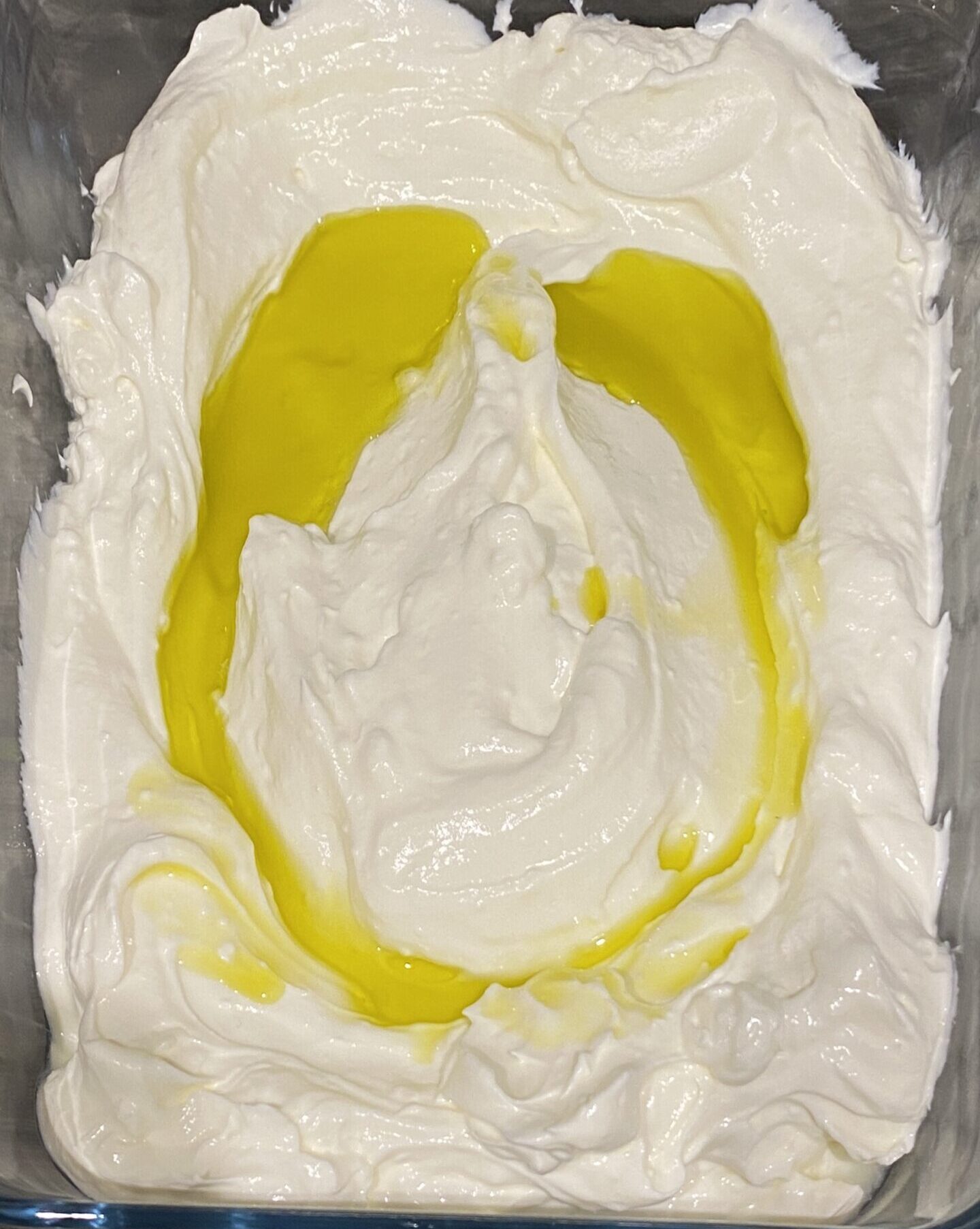
A Brief History of Labneh
Labneh is a staple of Middle Eastern cuisine, celebrated for its creamy texture, tangy flavour, and versatility. Often described as strained yogurt or yogurt cheese, labneh has been a part of Middle Eastern diets for centuries. It is commonly served at breakfast, as part of a mezze platter, or as a healthy snack, and it has become popular worldwide for its fresh taste and ease of preparation.
Labneh originates from Lebanon, Syria, and Palestine, where it was traditionally made by straining yogurt in cloth bags to remove whey, creating a thick, creamy spread that could be stored longer than regular yogurt. Over time, it became a symbol of hospitality and a staple on breakfast tables, often served with olive oil, fresh herbs, and flatbreads.
Why Labneh Is So Popular
Labneh is loved for its simplicity, flavour, and versatility:
- Tangy and creamy – The straining process intensifies the natural tang of yogurt while giving it a thick, spreadable texture.
- Healthy – High in protein, calcium, and probiotics, labneh is a nutritious addition to any diet.
- Versatile – Can be used as a spread, dip, sandwich filling, or even in desserts.
- Customizable – You can adjust the tanginess, thickness, and flavour according to your taste.
Ingredients and Equipment for Making Labneh
Ingredients:
- 1 litre cow’s milk
- 1 packet freeze-dried yogurt culture or 30ml plain yogurt with live cultures
- 1 tsp citric acid (optional, for added tang)
Equipment:
- Large pot
- Thermometer
- Cheesecloth or muslin
- Ninja Foodi Max 15-in-1 (or another yogurt incubator)
- Colander and bowl for straining
Using fresh milk and quality cultures ensures a smooth, creamy, and tangy labneh.
Step 1: Scald the Milk
- Pour the milk into a large pot and heat to 82°C (180°F).
- Hold the temperature for 30 minutes to thicken the milk and break down proteins, which gives the labneh a creamier texture.
- Cool the milk to 46°C (115°F) using an ice bath or fridge.
Scalding and cooling properly ensures the labneh develops the ideal consistency and tanginess.
Step 2: Add the Culture
- If using freeze-dried yogurt culture, sprinkle it over the milk, let it sit for 2 minutes, then stir.
- If using plain yogurt, whisk a ladleful of milk into the yogurt, then add it to the rest of the milk and stir.
This step introduces beneficial bacteria, which ferment the milk into yogurt and give labneh its signature tang.
Step 3: Incubate
- Pour the cultured milk into air-tight containers.
- Place the containers in your Ninja Foodi filled with water, or another yogurt incubator.
- Set the temperature to 43°C (110°F) and let sit for 24 hours, depending on desired tanginess.
Longer incubation results in a tangier flavor and slightly thicker yogurt.
Step 4: Refrigerate and Thicken
Once the yogurt has set:
- Do not remove the lids yet; refrigerate for at least 8 hours to allow further thickening.
- This step improves texture and makes the yogurt easier to strain.
Step 5: Straining
- Line a colander with muslin or cheesecloth and place it over a bowl.
- Pour the yogurt into the colander.
- Strain in the fridge for 12–24 hours, depending on how thick you want your labneh.
- Shorter straining produces a thick, spreadable yogurt.
- Longer straining creates a creamier, more concentrated cheese-like labneh.
The straining process removes whey and results in a smooth, rich, and creamy texture, perfect for spreading or dipping.
Serving Labneh
Labneh is incredibly versatile. Here are some ways to enjoy it:
- Breakfast spread – Drizzle with olive oil, sprinkle za’atar, and serve with warm pita bread.
- Mezze platter – Pair with olives, fresh vegetables, and roasted nuts.
- Sandwich filling – Use as a creamy base for wraps or sandwiches.
- Savory topping – Dollop over grilled vegetables, roasted meats, or flatbreads.
Labneh’s mild, tangy flavour and creamy texture make it a go-to ingredient for both traditional and modern dishes.
Tips for Perfect Labneh
- Use fresh, high-quality milk for the best taste and texture.
- Maintain accurate temperatures during scalding, cooling, and incubation.
- Strain for the desired thickness; more straining results in a denser labneh.
- Store labneh in the fridge for up to a week, keeping it covered to preserve freshness.
- Optional: garnish with olive oil, za’atar, or fresh herbs for added flavour.
Labneh in Middle Eastern Cuisine
Labneh is a staple in Middle Eastern kitchens, often served daily or for special occasions. Its popularity lies in its simplicity, versatility, and natural tang. In Lebanon, Syria, and Palestine, labneh is often made at home, with families passing down techniques for centuries.
Homemade labneh offers a fresher, creamier alternative to store-bought versions, and can be adjusted to your preferred consistency and flavour.
Making Labneh at Home
Making labneh at home is straightforward with the right tools and patience. By scalding the milk, adding culture, incubating, and straining, you can produce creamy, tangy labneh that rivals anything you’ll find in stores or restaurants.
Serve it fresh with olive oil, herbs, or spices, or use it as a base for dips and spreads. It’s an easy way to add Middle Eastern flair to breakfasts, snacks, and mezze platters.
Labneh
Equipment
- Thermometer
- Large pot
- Cheese cloth
- Ninja Foodi Max 15-in-1
Ingredients
- 1 litre Cows milk
- 1 packet freeze-dried yogurt culture or 30ml plain yogurt with live cultures
- 1 tsp Citric acid
Instructions
Scald the Milk
- Pour the milk into a pot and heat to 82°C.
- Hold the temperature for 30 minutes for a thicker texture (breaks down proteins and other compounds, then cool it to 46°C using an ice bath or the fridge
Add the Culture
- Stir in yogurt culture:If using freeze-dried culture, sprinkle on the milk and let it sit for 2 minutes before stirring.If using yogurt, add a ladle full off milk to the yogurt, whisk together and then add to the rest of the milk.
Incubate
- Pour yogurt in air sealed containers
- Fill the ninja with water, place the containers in the water
- Set the ninja yogurt setting to 43 degrees for 24 hours, depending on the desired level of tanginess
Refrigerate and Thicken
- Once the yogurt is set, take out the containers, do NOT take off the lids, refrigerate for a 8 hours + to thicken further.
Straining
- Line a colander with muslin and place it over a bowl.
- Pour the yogurt into the colander and strain for 12–24 hours in the fridge until it reaches the desired consistency.