
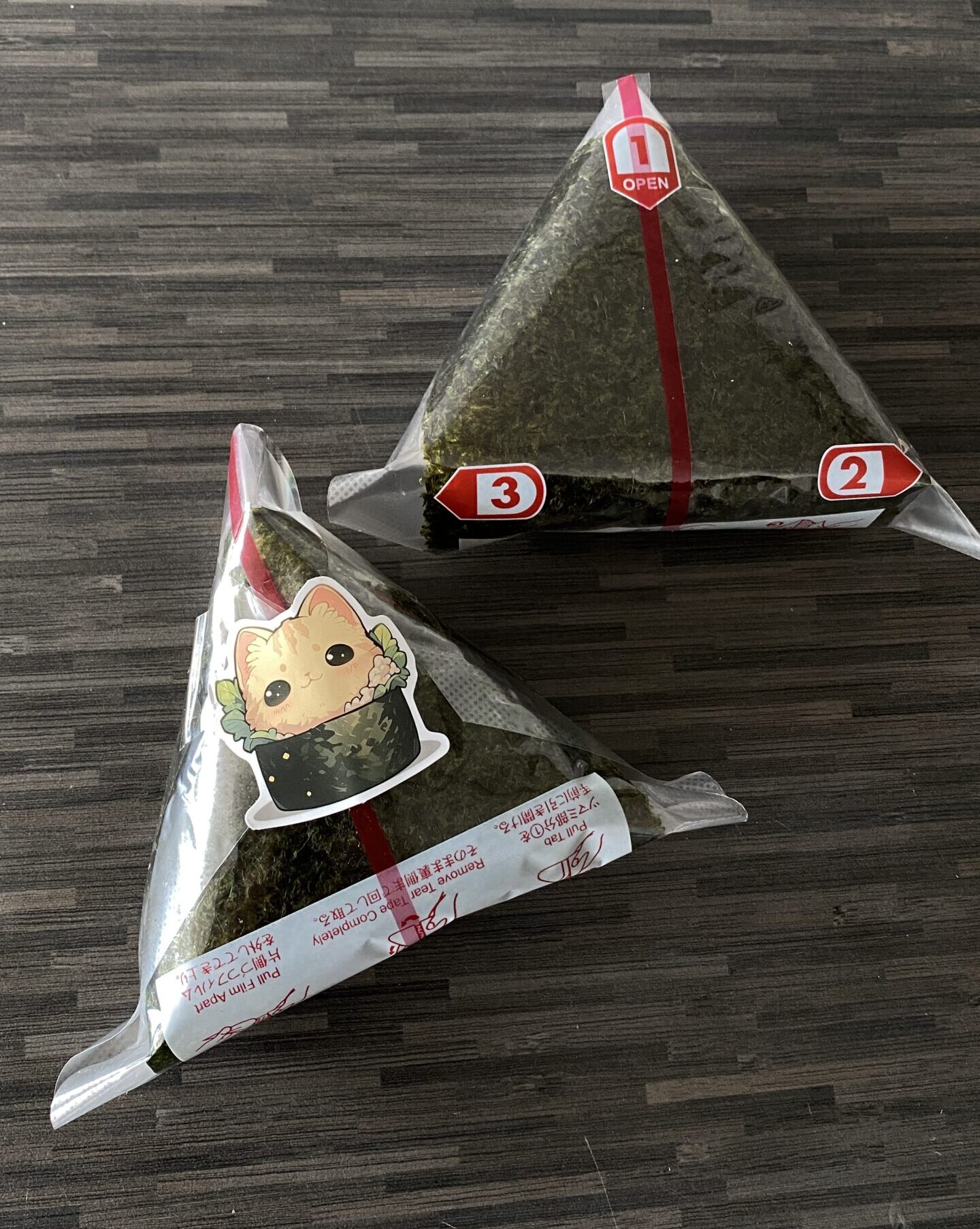
The Origins of Onigiri
Onigiri, also known as Japanese rice balls, has been a staple of Japanese cuisine for centuries. Traditionally made with plain rice and simple fillings like salted salmon, pickled plum (umeboshi), or seaweed, onigiri was originally a convenient portable meal for travelers, farmers, and samurai. Its compact shape and ability to be eaten by hand made it perfect for picnics, lunch boxes, and street food.
In modern Japan, onigiri has evolved into countless variations, including flavored rice, spicy fillings, and pre-packaged convenience versions sold in supermarkets and 7/11 stores. The spicy tuna onigiri, inspired by convenience store versions, combines creamy, umami-rich tuna with a kick of spice, making it an addictive snack or light meal.
Why Spicy Tuna Onigiri Is So Popular
- Convenience – Portable, hand-held, and perfect for busy days.
- Flavor-packed – The spicy tuna filling balances creamy, salty, and umami flavors.
- Customizable – Spice level and fillings can be adjusted according to preference.
- Iconic Japanese snack – A familiar comfort food in Japan, often associated with quick meals from 7/11 or train station convenience stores.
This particular style brings the 7/11 vibe to your kitchen, making it easy to recreate a classic Japanese snack at home.
Key Ingredients for Spicy Tuna Onigiri
Sushi Rice:
- Short-grain sushi rice is essential for stickiness and proper shaping.
- Seasoned with rice vinegar, sugar, and salt for that signature sushi flavor.
Tuna Filling:
- Canned tuna – Drain well for best texture.
- Japanese mayonnaise – Kewpie is preferred, but regular mayo with a little vinegar and sugar works.
- Seasonings – Soy sauce, black pepper, chili flakes, garlic powder, paprika, and MSG create a balanced, umami-rich filling.
Wrapping:
- Nori sheets add flavor and make the onigiri easy to hold without sticking.
Preparing Sushi Rice
- Rinse 1 cup sushi rice under cold water until water runs clear.
- Cook the rice according to package instructions or in a rice cooker.
- Once cooked, season with 2 tbsp rice vinegar, 1 tbsp sugar, and ½ tsp salt while the rice is still warm.
- Gently fold to mix, avoiding smashing the grains.
Properly seasoned and cooled rice is key to sticky, flavorful onigiri that hold their shape.
Preparing the Spicy Tuna Filling
- Drain the tuna and place in a mixing bowl.
- Add 2–3 tbsp mayonnaise, soy sauce, a few drops of rice vinegar, sugar, black pepper, chili flakes, garlic powder, paprika, and MSG.
- Mix until creamy and evenly seasoned.
The combination of creamy mayo, umami-rich tuna, and spices gives a rich, slightly spicy filling reminiscent of Japanese convenience store onigiri.
Shaping the Onigiri
- Use plastic wrappers or an onigiri mould to portion the rice. Wet hands with water to prevent sticking.
- Place a small amount of rice in the mould, add a spoonful of tuna filling, then cover with more rice.
- Press gently to shape into a triangle or ball.
- Wrap with half a sheet of nori.
This technique ensures each onigiri is well-shaped, evenly filled, and easy to handle.
Tips for Perfect Onigiri
- Use short-grain rice for proper stickiness.
- Season the rice well; unseasoned rice will taste bland.
- Keep hands moist when shaping to prevent sticking.
- Adjust spice levels to your preference.
- Eat freshly made for the best texture, as rice can dry out if left too long.
Serving Spicy Tuna Onigiri
Spicy tuna onigiri is perfect as:
- A quick snack or lunch
- Part of a Japanese-inspired bento box
- A picnic or travel-friendly meal
Pair with pickled vegetables, edamame, or miso soup for a complete Japanese-style meal.
Spicy Tuna Onigiri in Japanese Culture
Onigiri is more than a snack—it’s a practical and nostalgic part of Japanese life. From homemade versions in lunchboxes to pre-packaged convenience store offerings, it remains one of Japan’s most iconic comfort foods. The spicy tuna variant adds modern flair to this traditional snack, bridging classic flavors with contemporary tastes.
Making Onigiri at Home
Making onigiri at home allows you to control the rice texture, spice level, and filling. Using fresh ingredients and shaping with care ensures your onigiri are sticky, flavorful, and satisfying, just like those found in Japanese 7/11 stores.
By following this recipe, you can enjoy a handheld Japanese snack anytime, without needing to visit a convenience store in Japan.
Spicy Tuna Onigiri (7/11 vibes)
Equipment
- 1 Onigiri mould
- 4 Onigiri plastic wrappers
- 4 stickers/tape
Ingredients
Sushi Rice
- 1 cup Sushi rice
- 2 tbsp Rice vinegar
- 1 tbsp sugar
- 1/2 tsp salt
Tuna Filling
- 1 can Tuna (drained)
- 2-3 tbsp Mayonnaise (Japanese mayo like Kewpie preferred, or use regular mayo with a bit of vinegar and sugar)
- 1 tsp Soy sauce
- Salt to taste
- A few drops of rice vinegar
- 1/2 tsp Black pepper
- 1 tsp Sugar
- 1 tsp Chili flakes (adjust to spice tolerance)
- 1 tsp MSG
- 1 tsp Garlic powder
- 1 tsp Paprika
To wrap
- 2 sheets Nori/Seaweed (cut in half)