
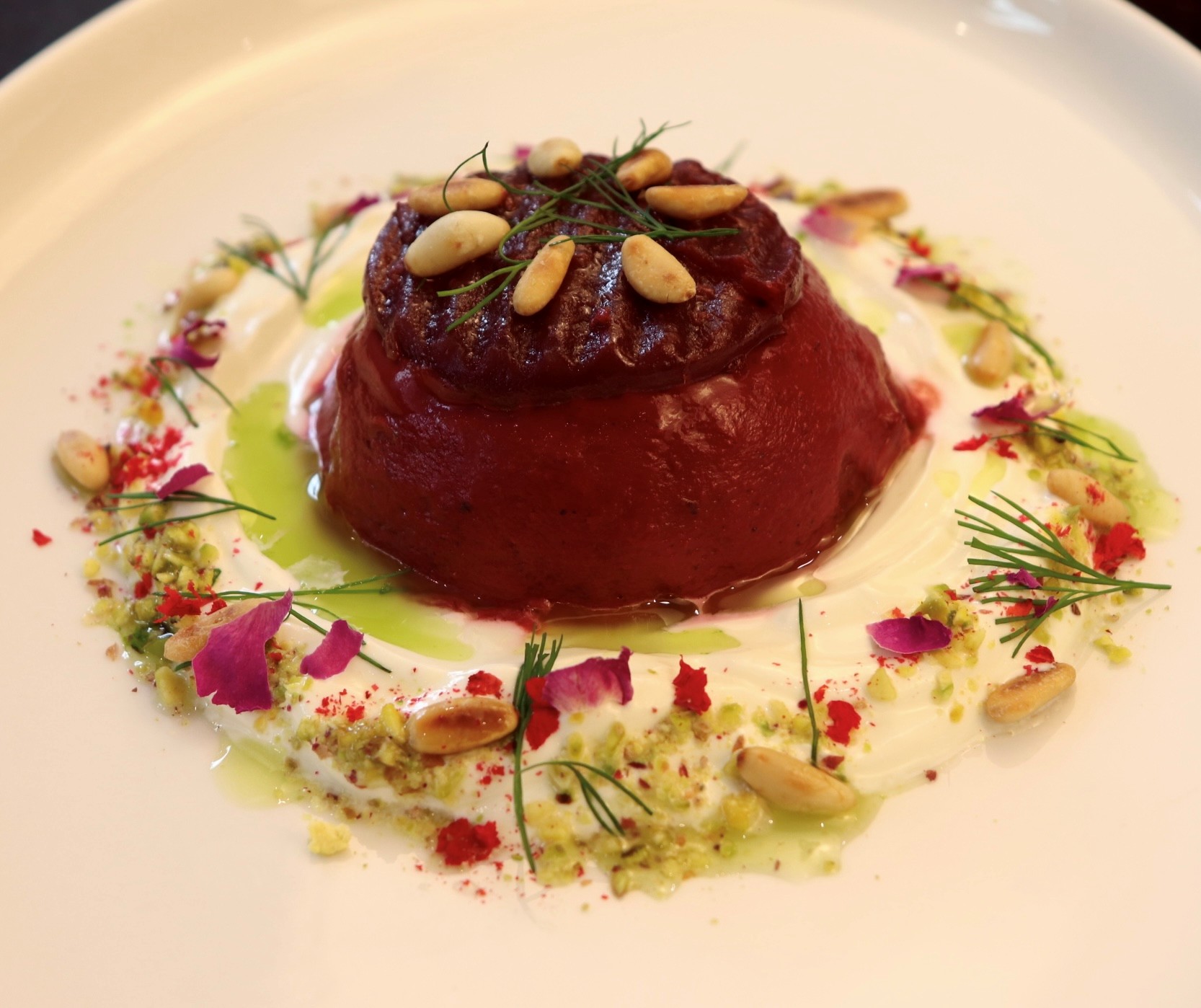
Kubba Shwandar: Iraqi Semolina Dumpling in Beetroot Sauce
When you explore Iraqi cuisine, few dishes are as iconic or deeply tied to tradition as Kubba. Among the many regional variations, Kubba Shwandar stands out for its vibrant beetroot sauce and tender semolina dumplings filled with spiced meat. This dish is a staple of Baghdadi home cooking, often reserved for winter meals, family gatherings, and festive occasions.
“Shwandar” literally means beetroot in Iraqi Arabic, and it is this humble root that gives the dish its distinctive color, earthy sweetness, and seasonal charm.
The Origins of Kubba in Iraq
Kubba itself has ancient roots, with references to stuffed semolina or bulgur dumplings found across the Levant and Mesopotamia for centuries. In Iraq, kubba became a cornerstone of local cuisine, adapted to the region’s climate, produce, and spices.
Kubba Shwandar is particularly linked to Baghdad and central Iraq. Families in these regions developed the beetroot version as a seasonal winter dish. Beets were abundant in local markets during the colder months, and their natural sweetness and vivid color made them ideal for a stew or sauce that could complement the rich, spiced meat filling.
Historically, the dish was also practical: dumplings made from semolina could be prepared in large batches, and the beetroot sauce provided a hearty, nutritious meal that would warm and sustain families through the winter.
Regional Significance
- Baghdad and Central Iraq: This is the heartland of Kubba Shwandar. Here, it’s considered a celebratory dish, made for family dinners, special weekends, and winter gatherings. Preparing it often becomes a family affair, with multiple generations involved in kneading the semolina dough, preparing the meat, and assembling the dumplings.
- Southern Iraq: Beetroot variants are less common. Families might use tomato-based sauces or simple broths, but Shwandar is largely a Baghdadi specialty.
- Northern Iraq (Kurdistan region): While kubba is eaten widely, beetroot is rarely incorporated. The northern versions lean toward yogurt or tomato-based sauces.
Locals emphasize that the key to Kubba Shwandar is a tender but firm semolina shell and a beetroot sauce that is sweet, earthy, and naturally balanced.
What Makes Kubba Shwandar Special
- Flavor balance: The earthy sweetness of the beetroot complements the spiced meat filling perfectly.
- Textural contrast: Dumplings are tender on the outside and filled with juicy, aromatic meat.
- Cultural tradition: It’s a dish that showcases Iraqi family cooking and hospitality.
- Visual appeal: The bright red sauce with golden dumplings makes it as beautiful as it is delicious.
In Baghdad households, making Kubba Shwandar is more than just cooking—it is a demonstration of care, patience, and culinary skill.
How Kubba Shwandar Is Traditionally Made
1. The Dumpling:
Fine semolina is combined with water, olive oil, and salt, then kneaded until smooth and elastic. The dough must be soft enough to enclose the meat filling without breaking but firm enough to hold its shape in the simmering beetroot sauce.
2. The Meat Filling:
Minced beef is lightly sautéed with garlic, onion, and aromatic spices such as cumin and turmeric. Some families add fresh coriander for extra brightness. The mixture is moist but not watery, ensuring the dumplings stay intact during cooking.
3. The Beetroot Sauce:
Fresh beetroot is peeled, diced, and simmered with garlic, ginger, olive oil, and boiling water. Some families mash the beetroot for a smooth sauce, while others leave it chunky for a rustic texture. Lemon juice is often added at the end to brighten the earthy flavor.
4. Assembling the Kubba:
Small portions of the semolina dough are flattened, filled with meat, and carefully sealed into oval or round dumplings. These dumplings are then gently simmered in the beetroot sauce until fully cooked.
5. Serving:
Kubba Shwandar is traditionally served warm, topped with toasted pine nuts or walnuts, chopped parsley, and a dollop of sour cream or yogurt. A squeeze of lemon juice enhances the beetroot’s natural sweetness and balances the spices in the meat.
Local Tips from Baghdad
- Fine semolina is essential for the dumpling shell.
- Simmer gently: Dumplings are delicate and should cook slowly.
- Season at the end: Lemon juice or a pinch of salt can bring out the beetroot’s flavor.
- Garnish for texture and color: Toasted nuts and fresh parsley make the dish visually appealing and add contrast.
Baghdadi families often stress that Kubba Shwandar should be tender, flavorful, and naturally sweet without added sugar. The balance of earthy beetroot and spiced meat is the hallmark of a perfect dish.
Why Kubba Shwandar Matters in Iraqi Culture
Kubba Shwandar is more than a recipe; it is a cultural touchstone:
- Seasonal tradition: Prepared primarily in winter when root vegetables are in abundance.
- Family activity: Assembling dumplings is often a communal task involving multiple generations.
- Celebratory dish: Served during holidays, special weekends, or when hosting guests.
- A symbol of home cooking: The dish reflects Iraqi values of hospitality, patience, and pride in culinary skills.
Making Kubba Shwandar at Home
While Kubba Shwandar requires time and care, the results are deeply rewarding. Tender dumplings, spiced meat, and earthy beetroot create a dish that is both comforting and impressive.
Follow the traditional approach: knead the semolina dough thoroughly, season the meat carefully, and simmer dumplings slowly in the beetroot sauce. Top with toasted nuts, parsley, and a dollop of yogurt or sour cream for authentic Baghdadi flavor.
Even if you’ve never visited Iraq, making Kubba Shwandar at home is a way to experience a classic Baghdadi winter meal, rich in history, flavor, and tradition.
Final Thoughts
Kubba Shwandar is a true Iraqi classic, combining semolina, spiced meat, and beetroot in a dish that is comforting, flavorful, and deeply tied to family and cultural traditions. Its origins in Baghdad and central Iraq, the use of seasonal beetroot, and the careful preparation of dumplings make it a dish worth mastering.
Whether you’re cooking for a family gathering or a cozy winter dinner, Kubba Shwandar is a dish that connects you to the heart of Iraqi home cooking.
Kubba Shwandar – Meat stuffed semolina dumpling in beetroot sauce
Ingredients
For the dumpling
- 400 g fine semolina
- 1 cup water
- 3 tbsp olive oil
- 2 tsp salt
For the meat mix
- 400 g minced beef (20% fat)
- 2 garlic cloves
- 1 medium onion
- salt & pepper
- 2 tsp ground cumin
- 1 tsp turmeric
- 2 tbsp olive oil
- handful chopped coriander
For the soup
- 2 large beetroots
- 5 large garlic cloves
- 1 tsp minced ginger
- 3 tbsp olive oil
- salt & pepper
- 2 litres boiling water
- 1 lemon
To serve
- sour cream
- toasted pine nuts or walnuts
- chopped parsley