Spinach Fatayer (Lebanese Spinach Pastries): The Story, Culture & Recipe
I’m Iraqi, and spinach fatayer was not something I grew up eating at home. In fact, the first time I ever heard of spinach inside a baked pastry, I thought it sounded absolutely terrible.
In this post, I’m sharing my recipe for traditional spinach fatayer, along with the story of how I first discovered these tangy Lebanese spinach pastries.
I was around 13 when I had my first spinach fatayer at a Lebanese friend’s house. I remember looking at it and thinking: spinach… inside bread? Baked? It just didn’t sound appealing to me at all.
My friend insisted I try it. Reluctantly, I took a bite — and immediately understood the hype. The filling was tangy, savoury and bright from lemon and sumac, all wrapped inside soft, warm dough. It was completely different from anything I had tasted before.
I wouldn’t say I was someone who loved cooking as a teenager. The kitchen wasn’t really my place back then. But every now and then I would crave those spinach pastries so much that I’d ask my mum to help me make them. I would prepare the spinach filling while she made the dough, and together we would assemble the fatayer. It became one of those small food memories that stayed with me.
Years later, I still find spinach fatayer just as irresistible.
What is Spinach Fatayer?
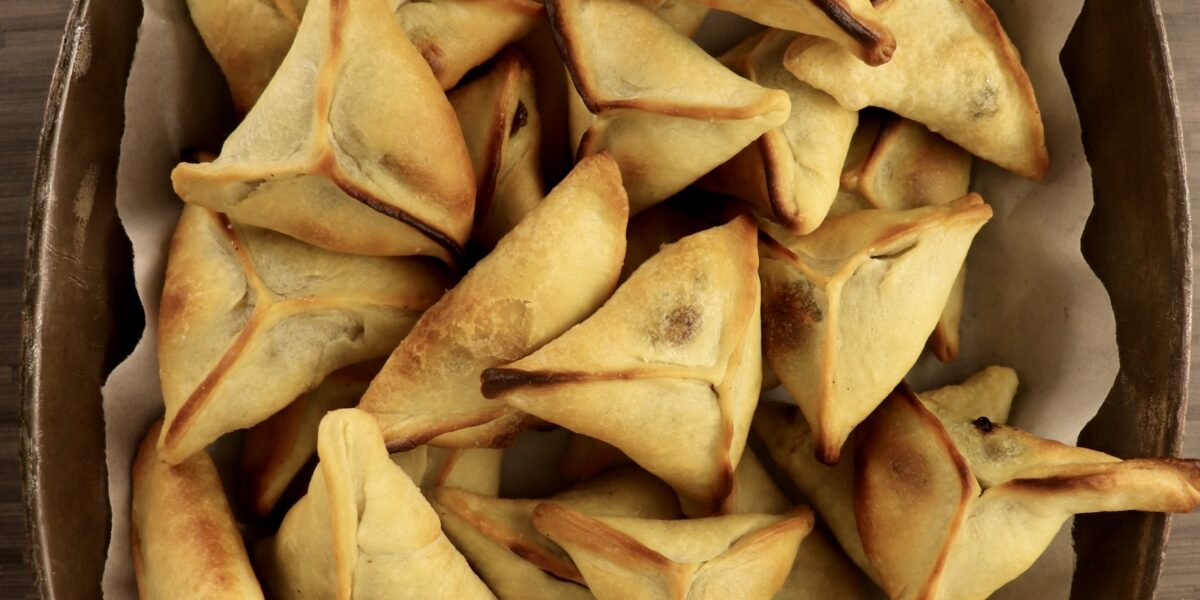
Spinach fatayer are small Middle Eastern pastries filled with a tangy spinach mixture made with onions, lemon juice, olive oil and sumac. The dough is folded into a triangle shape and baked until golden.
They are especially popular in Lebanon and across the Levant, where they are commonly eaten as a snack, part of a mezze spread, or packed into lunchboxes.
Are Spinach Fatayer Actually Lebanese?
Spinach fatayer are widely associated with Lebanon, but their origins are actually broader than that. They come from the Levant region, which includes Lebanon, Syria, Jordan and Palestine.
Across these countries, you’ll find different versions of fatayer, which are small baked pastries filled with savoury ingredients.
However, spinach fatayer — known in Arabic as fatayer sabanekh — became especially popular in Lebanese bakeries and home kitchens. Because of this, many people today think of them as specifically Lebanese.
In Lebanon, they’re part of a category of baked goods called moʿajjanat, which refers to small savoury pastries made with dough and various fillings. Walk into almost any neighbourhood bakery in Lebanon and you’ll likely find trays of freshly baked fatayer alongside manakish and other traditional pastries.
They’re commonly eaten as a snack, part of a mezze spread, or even packed into lunchboxes.
What Does “Fatayer” Mean?
The word fatayer comes from the Arabic word فطيرة (fatira), which simply means pastry or pie.
Interestingly, in Iraqi Arabic, fatira can also describe a girl who is being silly or mischievous. So hearing the word always gives the pastry a bit of personality for me.
So when people say spinach fatayer, they’re literally saying spinach pastries.
In Arabic they are often called fatayer sabanekh, which translates directly to spinach pastries.
The name itself is simple, reflecting exactly what the dish is: dough filled with something delicious.
Why Spinach?
Spinach might seem unusual if you didn’t grow up with it in baked dishes, but there are very practical reasons it became popular in fatayer.
Spinach grows well in the cool winter climate of the Levant, making it widely available during colder months. Leafy greens were also historically affordable and easy to grow, making them a staple in home cooking.
The real magic is in the seasoning. The filling typically includes:
- lemon juice
- onions
- olive oil
- sumac
This combination creates a tangy, slightly sour flavour that balances the soft richness of the dough. That bright acidity is what makes spinach fatayer so addictive.
Why Are Spinach Fatayer Triangle Shaped?
One of the most recognisable things about spinach fatayer is their triangle shape.
In many Levantine bakeries, the shape helps identify the filling:
- Triangle → spinach
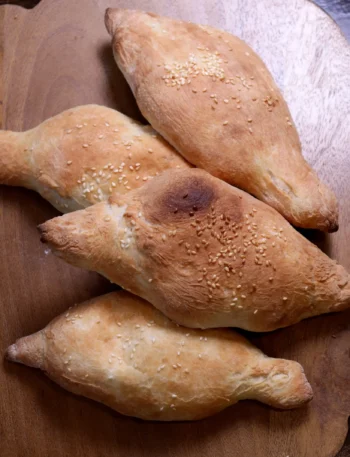
- Boat or oval → cheese
- Round → meat
This makes it easier for customers to recognise fillings quickly when trays are displayed.
I didn’t know this until recently — my husband actually told me I couldn’t use the triangle shape for cheese fatayer. Apparently, each filling traditionally has its own shape. I’d been making them for years without realising this!
The triangle shape is also practical. Folding the dough into three corners seals the filling well and helps prevent juices from leaking out while baking. Although it can be tricky, especially with wetter fillings, a good dough and proper sealing make all the difference.
Tips for Perfect Spinach Fatayer
A few small tips can make a big difference when making spinach fatayer at home:
Drain the spinach well
Spinach releases a lot of liquid, so squeezing out excess moisture prevents leaking during baking.
Balance the acidity
Lemon juice and sumac are key to the flavour, but adjust to keep the filling bright without being too sharp.
Seal the seams tightly
Pinch the edges firmly to create the triangle shape and prevent opening in the oven.
Chill if needed
If the dough becomes too soft or starts losing shape, chilling the shaped fatayer briefly helps them hold their structure before baking.
Fun Facts About Fatayer
Fatayer might look simple, but they have a rich culinary history.
They travelled around the world.
When Middle Eastern immigrants moved to South America in the late 19th and early 20th centuries, they brought fatayer with them. In countries like Argentina and Brazil, they evolved into empanadas árabes.
They’re related to ancient pastries.
Fatayer are closely related to sambusak, a traditional Middle Eastern filled pastry with centuries of history.
They’re everyday food.
In Lebanon, fatayer are not considered special occasion food. They are part of everyday life — something picked up fresh from bakeries in the morning or eaten as a quick snack.
Can You Use the Same Shape With Other Fillings?
Absolutely. One of the best things about fatayer dough is how versatile it is.
The same dough can be used for many fillings, including:
Cheese fatayer
Made with feta, akkawi or halloumi.
Meat fatayer
Filled with minced lamb or beef and warm spices.
Za’atar fatayer
Made with the classic Middle Eastern herb blend mixed with olive oil.
Labneh fatayer
Filled with creamy strained yoghurt cheese.
Some families even make sweet versions with dates, nuts or sugar.
The dough is essentially a blank canvas.
Spinach Fatayer FAQ
Can you freeze spinach fatayer?
Yes. You can freeze them before or after baking. If freezing before baking, freeze them on a tray first, then transfer to a bag or container.
Can you use frozen spinach?
Yes. Frozen spinach works well as long as it is fully thawed and squeezed dry.
What does fatayer mean?
Fatayer comes from the Arabic word fatira, meaning pastry or pie.
Are fatayer only Lebanese?
No. They are part of Levantine cuisine, including Lebanon, Syria, Jordan and Palestine.
From One Bite to a Lifelong Favourite
Looking back, it’s funny to think that I almost refused to try spinach fatayer the first time I saw them.
What sounded strange to me as a teenager quickly became one of my favourite pastries. The combination of tangy spinach, soft dough and bright flavours is simple but incredibly satisfying.
Sometimes the best dishes come from moments like that — trying something you weren’t sure about and discovering something you genuinely love.
And for me, spinach fatayer will always remind me of that first bite at a friend’s house that completely changed my mind about spinach in a baked good.

Spinach Fatayer
Ingredients
Filling
- 350 g Spinach Make sure the frozen spinach you use has full leaves and isn’t chopped. Chopped spinach can turn the filling paste like, which you don’t want. I use frozen spinach (not traditional) because it’s quicker and better value for money.
- 2 Medium Red onions squeeze out the liquid with a cheesecloth or something similar.
- 1 Lemon
- 3 tbsp Olive oil
- 100 g toasted Walnuts or pine nuts optional
- 5 tbsp Sumac
- 1-2 tsp Salt
- 1 tbsp Black pepper
- 2 tbsp Pomegranate molasses
- 1 tsp Citric acid
- 1 tbsp ghee
Dough
- 500 g All-purpose flour
- 1 cup Water
- 0.5 cup Olive oil
- 1/2 tbsp Salt
- 1/2 tbsp Sugar
Instructions
Prepare the dough
- In a large bowl, combine the flour, salt, and sugar.
- Add the olive oil and mix until incorporated.
- Gradually add water, mixing until a soft dough forms.
- Knead until smooth and elastic. Approx 20mins on a medium speed stand mixer.
- Refrigerate whilst preparing the filling.
Prepare the Spinach Filling
- Finely chop the 2 medium red onions and squeeze out the liquid using a cheese cloth or something similar.
- Add the salt to the defrosted spinach, let it sit for 30mins, squeeze the spinach thoroughly by cheesecloth to remove excess liquid.
- Heat the ghee in a pan over medium heat, then saute the onions until soft and lightly golden.
- Add the spinach to the onions, let any remaining liquid from the spinach evaporate by the heat.
- Stir in:lemon juicepomegranate molassessumacblack peppercitric acidwalnuts or pine nuts
- Mix well until fully combined. Adjust seasoning to taste if needed.
Shaping & Baking
- Roll out the dough thinly on a lightly floured surface.
- Use a round cutter (10–12 cm in diameter) to cut out circles.
- Place a spoonful of filling in the center of each circle.
- Lightly spritz the edges with water using a spray bottle to help seal.
- Fold and pinch the dough to shape, ensuring the edges are sealed firmly.
- Place in the freezer for 15-20mins.
- Take out the freeze and re-define the seams.
- Brush over with olive oil and spritz with water.
- Bake at 250 degrees for 9-10mins.
- Once out the oven brush over with olive oil again.