Introduction: Authentic Iraqi Bread (Samoon)
What Is Iraqi Bread?
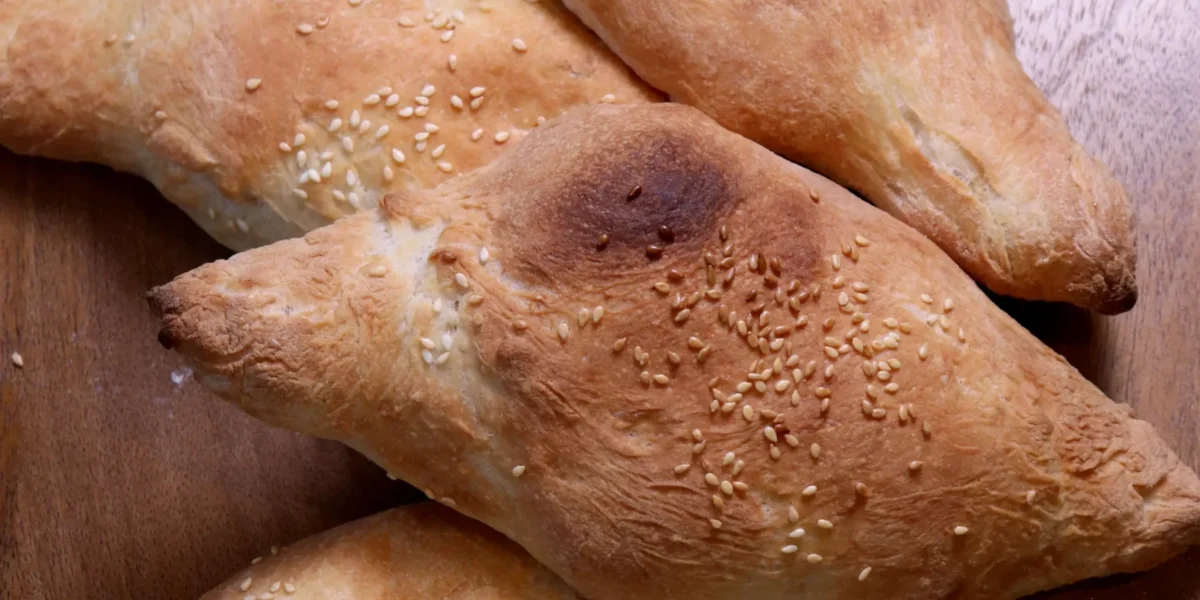
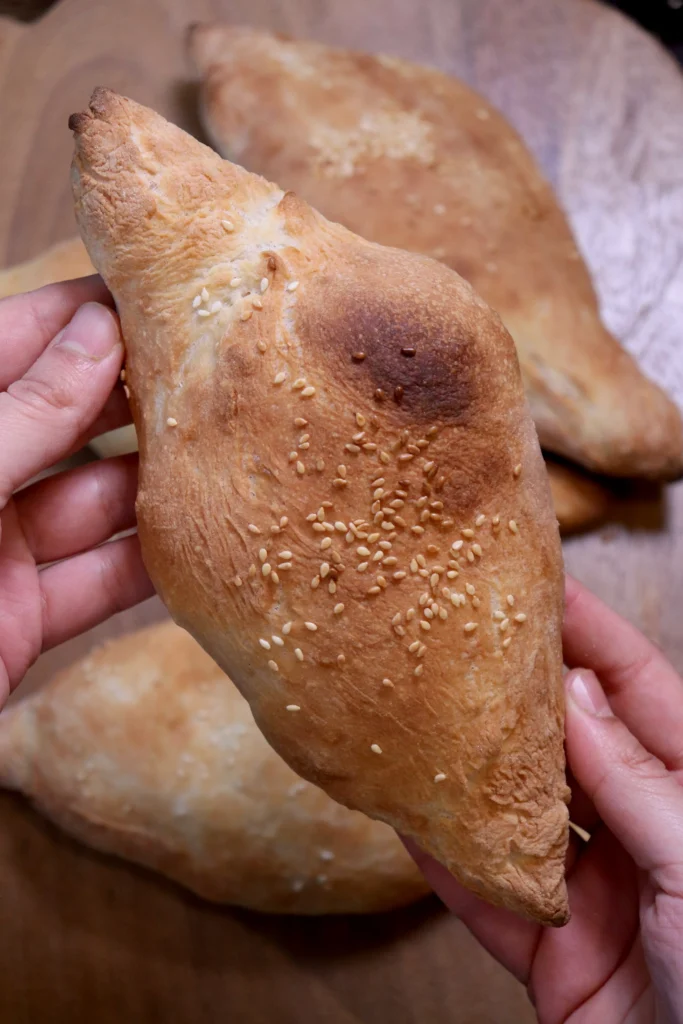
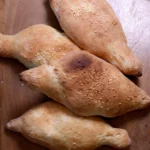
Iraqi bread, called samoon, is a traditional Iraqi bread with a fluffy interior. It is typically shaped into a boat-form or diamond and baked in very hot ovens. Samoon is widely used for sandwiches, shawarma or Gus as Iraqis say, and as a side with many Iraqi dishes.
A Nostalgic Bakery Bread
Samoon isn’t a bread I often find in London; even in Iraqi restaurants, tanoor bread is usually the more common option. For me, the boat-shaped samoon is something I mainly enjoy when I’m in Iraq, where bakeries constantly bake fresh batches and it’s the go-to bread for sandwiches and family breakfasts. I didn’t always love it—I preferred thinner breads like Lebanese khobez—but lately I’ve really missed samoon and now find myself choosing it more often.
Why Samoon Is Perfect for Shawarma?
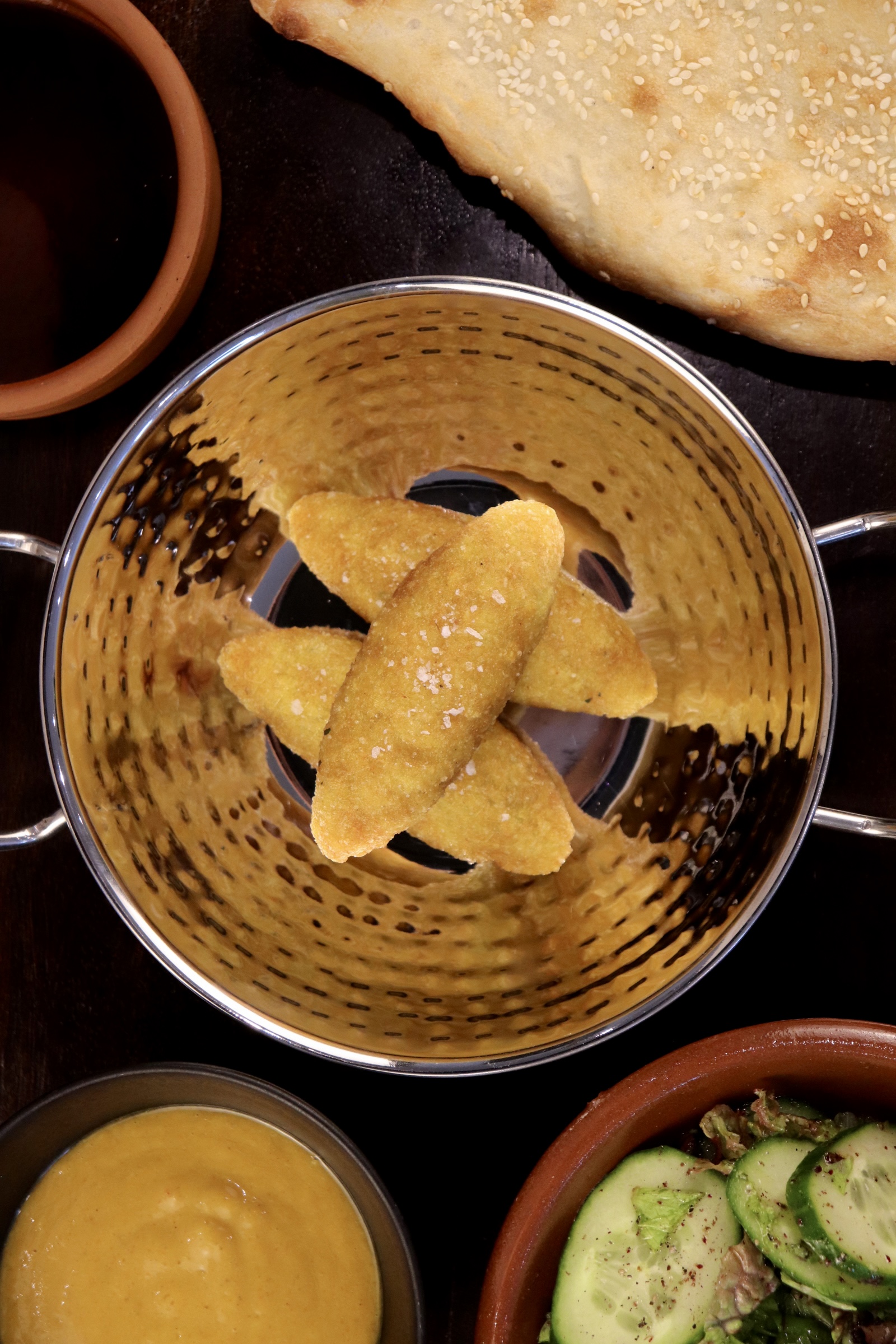
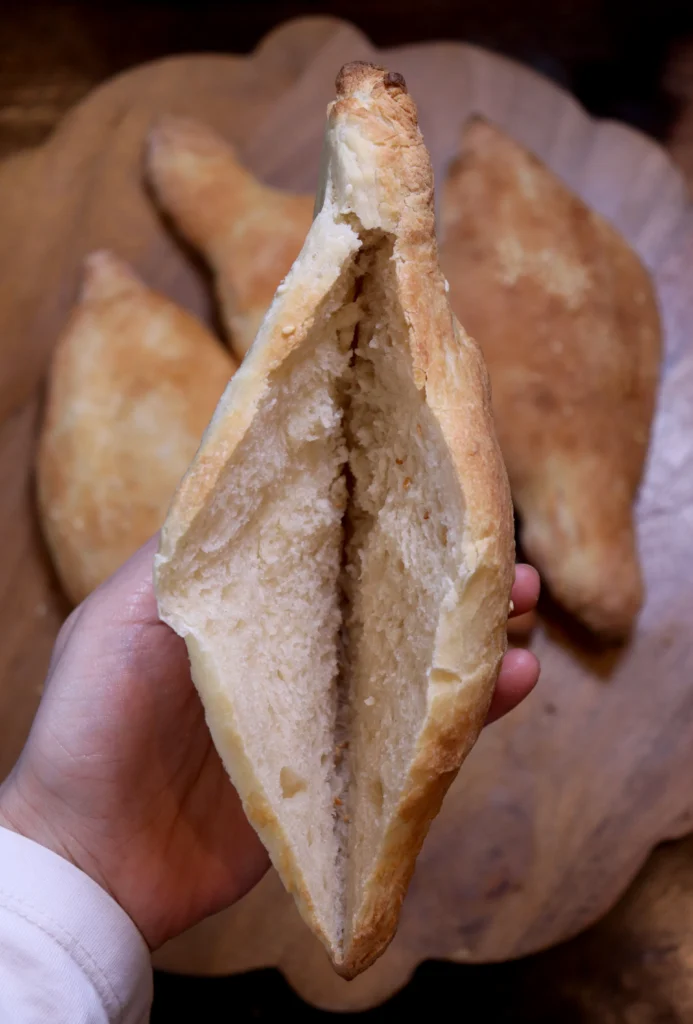
Imagine a soft, airy interior that absorbs flavorful juices without falling apart, while its slightly firm crust holds fillings like shawarma, pickles, and garlic sauce. That’s Samoon. It’s also perfect for falafel sandwiches with pickles, salad, and amba. Try it with my crisp homemade falafel, which pairs perfectly with this bread and makes a delicious Middle Eastern sandwich.
Why You’ll Love This Iraqi Bread Recipe
This recipe is the result of several rounds of testing to recreate authentic Iraqi bakery-style samoon. Many recipes I tried online produced bread that was too crusty or dense, so I adjusted the method until the texture was soft, fluffy, and closer to what you’d find in Iraq. The result is a reliable recipe that gives you that nostalgic samoon flavour at home.
Ingredients for Iraqi Samoon Bread
Dough Ingredients
Only simple pantry ingredients are needed like flour, yeast, sugar, salt, ghee, and warm water, milk powder and yogurt. These ingredients create a soft, elastic dough that bakes into fluffy bread. The simplicity of the ingredients highlights the bread’s authentic flavor.
Optional Toppings
From sesame seeds to nigella seeds before baking. These toppings add extra flavor and a slight crunch. Some bakeries also brush the bread with olive oil for a golden finish.
Ingredient Notes
Using bread flour can give the samoon a slightly chewier texture. Instant yeast works best for quick and reliable rising. Olive oil helps keep the bread soft and adds subtle flavor.
Equipment Needed
You’ll need a baking stone, precision weighing scale (measures to 0.1g) and bench scraper. Parchment paper is helpful for shaping and resting the dough. A stand mixer is ideal, although the dough can be kneaded by hand.
Step-by-Step Instructions
Activate the Yeast
Mix yeast with warm water and sugar to activate it. Let the mixture sit for about 5–10 minutes until it becomes foamy. This step ensures the yeast is alive and ready to help the dough rise.
Make the Dough
Combine the flour, salt, ghee, milk powder, yogurt and water. Add the activated yeast mixture. Mix until everything combines into a soft dough. The dough should be slightly sticky but easy to handle.
Knead the Dough
Knead the dough for about 20 minutes until it becomes smooth and elastic. This process develops the gluten that gives the bread its structure. Well-kneaded dough helps create a soft and fluffy texture.
First Rise
Place the dough in a bowl and cover it with a towel or plastic wrap. Let it rise in a warm place for about 1.5 hour or until doubled in size. This step allows the yeast to create air pockets in the dough.
Shape the Samoon
Divide the dough into 155g portions and shape each piece into a diamond or oval. Gently stretch and tuck the dough to create the traditional samoon shape. Place the shaped dough on a lined baking tray.
Second Rise
Allow the shaped dough to rest for about 15–20 minutes. This short rise helps the bread puff up during baking. It also makes the texture softer and lighter.
Bake
Brush the tops of the samoon with a mixture of water and olive oil, then sprinkle with sesame seeds. Bake in a preheated oven at 250°C (482°F) with a small dish of water to create steam, which helps produce a lightly crisp crust and fluffy interior, for 8–11 minutes until golden. For the final 1–2 minutes, remove the water dish and turn on the grill (broiler) to lightly blister the bread, watching closely to prevent over-browning.
Cool and Serve
Let the bread cool slightly on a rack after baking. This prevents the steam from making the crust soggy. Serve warm with shawarma, falafel, or your favorite dips.
Expert Baking Tips for Perfect Samoon
Use High Heat
The best output is in a very hot oven. High heat mimics traditional bakery ovens and helps the bread rise quickly. It also creates the signature light crust.
Create Steam
Adding steam to the oven helps keep the bread soft while it bakes. You can place a small pan of water in the oven to create moisture. Steam also improves the crust texture.
Don’t Over-Flour
Adding too much flour can make the bread dense and dry. The dough should feel soft and slightly sticky. Lightly flour your hands or work surface instead of adding extra flour to the dough.
Shape Matters
The traditional diamond shape helps samoon bake evenly. It also creates the characteristic look seen in Iraqi bakeries. Proper shaping allows the bread to puff nicely in the oven.
Variations and Substitutions
Whole Wheat Samoon
For a heartier version, replace up to 30% of the all-purpose flour with whole wheat flour. This adds a slightly nutty flavor and extra fiber while still keeping the bread soft. Adding a little extra water may help maintain the fluffy texture.
Sesame Samoon
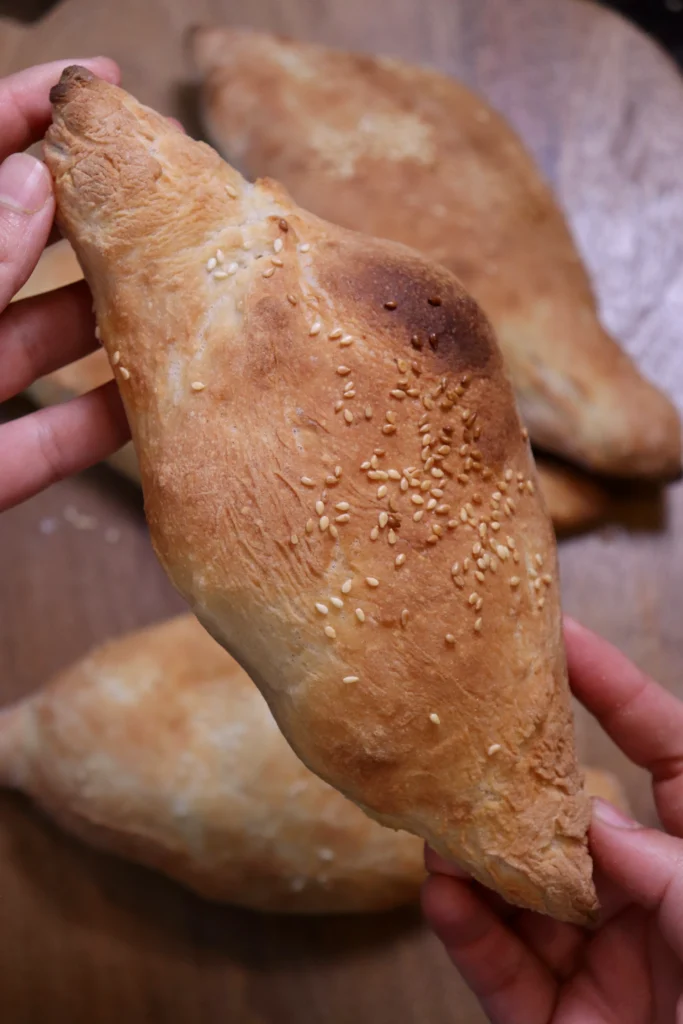
Before baking, brush the dough with a little water or olive oil and sprinkle sesame seeds on top. The seeds add a light crunch and a toasted nutty flavor. This is a common found around Iraq, we love sesame seeds (simsim).
Garlic Samoon
After baking, brush the warm bread with garlic-infused olive oil or melted butter with minced garlic. This adds a savory aroma and extra flavor. It’s especially delicious served alongside grilled meats or dips.
Samoon Shawarma Sandwich
Slice the samoon open and fill it with shawarma, pickles, tomatoes, and garlic sauce. The fluffy interior absorbs the flavorful juices while the crust keeps the sandwich sturdy. It’s one of the most popular ways samoon is enjoyed.
Storage and Reheating
The bread stays soft for a couple of days when stored properly and can also be frozen for longer storage. Keeping the bread airtight helps maintain its texture. It reheats well and tastes almost like freshly baked.
Room Temperature
Store samoon in an airtight bag or container at room temperature. It will stay fresh for about 1–2 days. Keeping it sealed prevents the bread from drying out.
Freezing
Allow the bread to cool completely before freezing. Place in freezer-safe bags and store for up to 2 months. You can freeze whole loaves or slice them for easier use later.
Reheating
Warm the bread in an oven at 180°C (350°F) for about 5 minutes. This helps refresh the crust and soften the inside. You can also briefly warm it in a toaster oven.
Fun fact
The boat-shaped samoon isn’t just decorative—its pointed ends help the bread bake evenly in very hot traditional bakery ovens. The thicker middle stays soft and fluffy while the ends crisp slightly. Many Iraqis even use the pointed tip as a natural “handle” when eating shawarma or falafel sandwiches.
Recipe Card
Iraqi Bread (Samoon Bread)
Equipment
- Stand mixer
- Baking stone
- Precision weighing scale To the nearest 0.1g
Ingredients
- 500 g Extra strong white bread flour
- 7 g instant yeast
- 12 g Sugar
- 9 g salt
- 45 ml melted ghee
- 330 ml warm water 66% hydration level
- 30 g plain yogurt
- 8 g milk powder
For brushing
- Water
- Oil
Instructions
Bloom
- Mix warm water, sugar, and yeast. Let sit 5–10 min until foamy.
Mix
- Add the flour and salt and mix
- Add the ghee, yogurt, milk powder, and water
- Mix until shaggy
- Add bloomed yeast
- Knead on the stand mixer on medium speed for 20mins
First rise
- Cover and let rise 1½ hours until doubled.
Divide
- Punch down gently.
- Divide and weigh into 155g balls.
Shape the classic "boat"
- To make the samoon shape:pinch both ends into pointsgently stretch lengthwiseslightly press the middle thinner than the edges
Final proof
- Cover lightly and rest 30 min.
- Meanwhile preheat oven as hot as possible:250–275°C (475–525°F)
- If you have a pizza stone or steel, use it.
- Put a tray in the bottom for steam.
- After finished resting, brush lightly with water/oil.
- Sprinkle sesame seeds
- Bake 7–11 min until:puffedgolden brownslightly blistered
- For extra bakery effect:broil/grill 60-120 seconds at the end.
Video
Notes
- Use bread flour, not all-purpose.
- High heat is everything.
- Slightly wetter dough = more authentic air pockets.
- A baking stone/steel gives that crisp bottom.
- A little yogurt gives the subtle tang many Iraqi bakeries have.
Nutrition Information
Nutrition Facts
FAQ
Iraqi bread is commonly called samoon, a traditional diamond-shaped bread baked in hot ovens and served with many Iraqi dishes.
Samoon is often used for shawarma sandwiches, kebabs, falafel sandwiches, gaymar and honey.
Yes. Let the bread cool completely, place in freezer bags, and freeze for up to 2 months.
Dense samoon bread usually happens when:
• the dough didn’t rise enough
• too much flour was added
• the oven temperature was too low
Yes. Samoon dough can easily be kneaded by hand for 8–10 minutes.
SimSim Bakery located in Kingsbury, North West London.