The Origins of Canelés
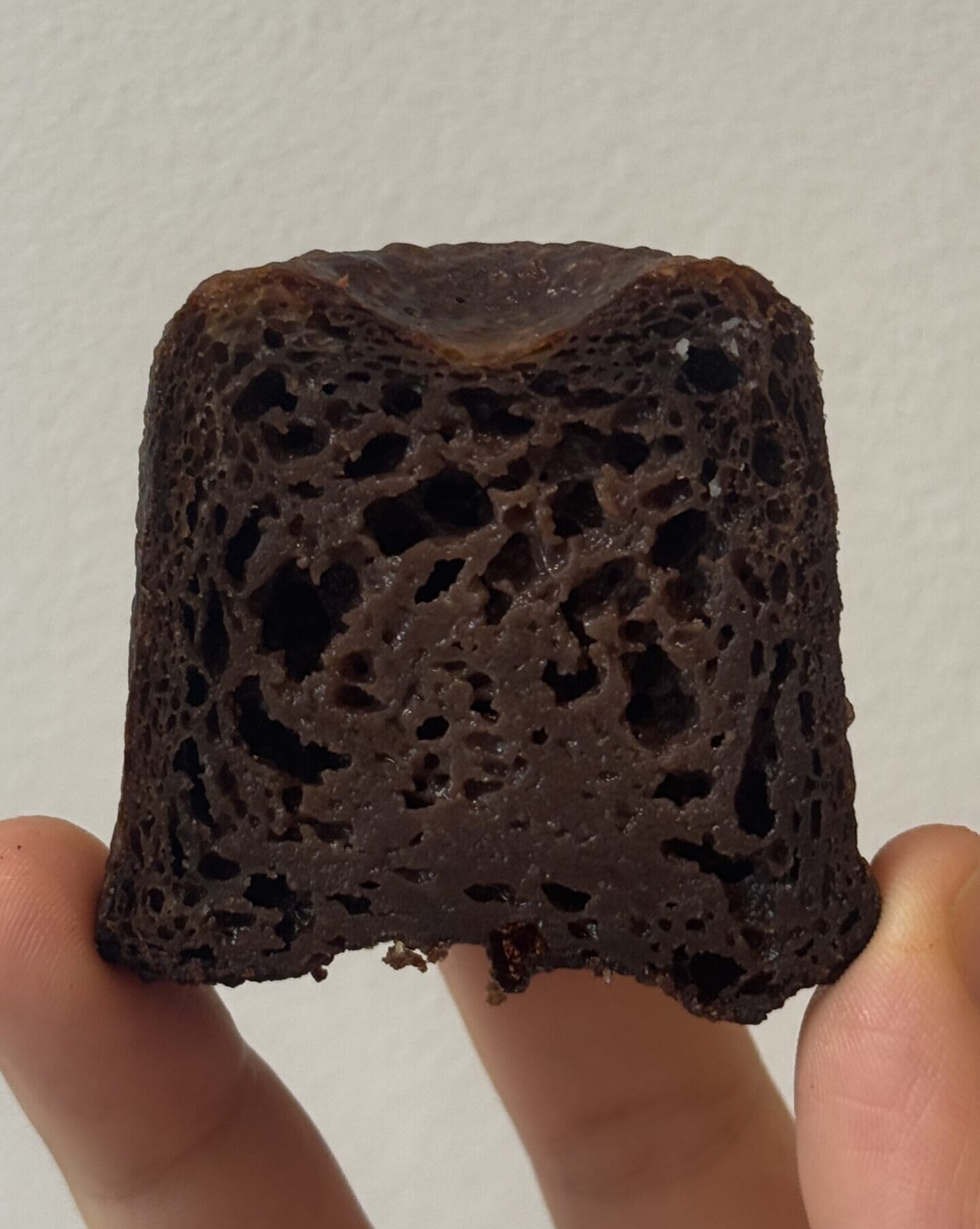
Canelés are small French pastries known for their crispy, caramelized exterior and soft, custardy interior. Originating in Bordeaux, France, these pastries have been a beloved treat since at least the 18th century. Traditionally flavored with vanilla and rum, canelés were originally made by convents and later popularized by local bakers across the Bordeaux region.
The name “canelé” comes from the Gascon word canelar, meaning “to flute,” referencing the pastry’s distinctive ridged shape, created by the fluted copper moulds. The recipe combines simple ingredients—milk, eggs, sugar, flour, and butter—but requires careful technique and patience, making it a pastry both challenging and rewarding to master.
Why Canelés Are So Popular
Canelés are treasured for their unique texture and flavor:
- Contrast of textures – Caramelized, crisp exterior and soft, almost custard-like interior.
- Rich flavor – Infused with vanilla, sometimes rum or almond extract, creating a delicate aromatic pastry.
- Visual appeal – Fluted shape and glossy caramelized crust make them elegant and Instagram-worthy.
- Tradition and craft – They are a symbol of Bordeaux’s culinary heritage and artisanal baking.
Canelés are often enjoyed with coffee or tea and make a perfect snack, dessert, or gift.
Key Ingredients for Authentic Canelés
- Whole milk – Provides creaminess and structure for the custard interior.
- Unsalted butter – Adds richness and helps form a golden crust.
- Eggs and egg yolks – Give the pastry body and a soft, custardy texture.
- Sugar and flour – Sweetness and structure, with flour sifted to avoid lumps.
- Vanilla and almond extract – Signature aromatic flavors.
- Cacao powder (optional) – Adds subtle depth and enhances the caramelized color.
The combination of these ingredients, along with proper resting and baking technique, creates the classic canelé texture that distinguishes them from other pastries.
Making the Canelé Batter
- Infuse the milk: Heat milk, butter, and vanilla pod (or extract). Bring to a gentle simmer and allow to cool 10–15 minutes.
- Mix eggs and sugar: Whisk eggs, yolks, sugar, and a pinch of salt gently, without incorporating foam.
- Add flour: Sift and mix until smooth.
- Combine with milk: Slowly pour the warm milk into the egg mixture while whisking to form a thin, silky batter.
- Add flavor boosters: Incorporate almond extract or cacao powder if desired.
The batter should resemble double cream—thin and fluid, yet rich.
Resting the Batter
- Cover the batter and refrigerate for 24–48 hours.
- This resting period is crucial for developing flavor and achieving the ideal custard-like interior.
- Before baking, bring the batter to room temperature for 30–45 minutes and stir gently.
Patience at this stage is key; skipping the rest can result in a less defined texture and flavor.
Baking the Perfect Canelé
- Preheat oven to 230°C (210°C fan).
- Prepare copper moulds: Grease generously with butter, beeswax, or non-stick spray.
- Fill moulds about ¾ full.
- Bake high temperature first: 15 minutes at 230°C to caramelize the exterior.
- Reduce heat to 180°C (160°C fan) and continue baking for 45–60 minutes until the crust is deep golden brown and crisp.
Proper baking produces the classic contrast of crunchy exterior and soft, custardy interior that defines an authentic canelé.
Serving Canelés
Canelés are best enjoyed:
- Fresh, at room temperature
- Paired with coffee, espresso, or tea
- As part of a dessert platter or with fresh fruit
They can also be gifted as elegant, individually portioned pastries, perfect for celebrations or a sophisticated treat.
Tips for Perfect Canelés
- Use copper moulds for best results, but silicone moulds can work for home baking.
- Ensure batter rests 24–48 hours for ideal texture.
- Preheat the oven and start baking at a high temperature to achieve a caramelized crust.
- Don’t overfill moulds; leaving room allows proper rise and even caramelization.
- Brush moulds generously with butter or beeswax to prevent sticking and enhance the crust.
Canelés: A French Baking Tradition
Canelés are more than a pastry—they represent the artisanal craftsmanship of Bordeaux. From convent kitchens to modern bakeries, these pastries have endured because of their unique textures, flavors, and striking appearance.
Making canelés at home allows you to experience a piece of French culinary tradition, bringing the aroma of vanilla and caramelized sugar into your kitchen. With patience, quality ingredients, and proper technique, you can create canelés that rival those from French patisseries.
Chocolate Canelés: The Classic French Pastry with a Caramelized Crust
Equipment
- Copper moulds
Ingredients
- 500 ml whole milk
- 50 g unsalted butter
- 1 vanilla pod (or 2 tsp good vanilla extract)
- 2 whole eggs
- 2 egg yolks
- 200 g caster sugar
- 100 g plain flour (sifted)
- Pinch of salt
- 1/2 tsp Almond extract
- 1 tsp cacao powder
Instructions
Infuse
- Heat milk, butter, and vanilla pod (seeds scraped in).Bring just to a simmer, then cool 10–15 mins.
Mix
- Whisk eggs, yolks, sugar, and salt gently (no foam).
- Add flour and mix smooth.
- Slowly pour in warm milk while whisking.
- Add your almond extract flavour booster here if using.
- The batter should be thin like double cream.
Rest (Important)
- Refrigerate 24–48 hours.This step is what gives proper texture.
- Before baking: Bring to room temp 30–45 minsStir gently
Baking
- Preheat oven to 230°C (210°C fan)
- Grease moulds with lots of butter or beeswax or cake release spray.
- Fill moulds ¾ full
- Bake 15 minutes at 230°C
- Lower to 180°C (160°C fan)
- Bake 45–60 minutes
Video
@safsoufii No rum, no beeswax and they’re still crispy on the outside, soft in the middle 🤎🍮 #canele #caneles #homebaking #bakingtiktok #desserttok
♬ La Maritza – Sylvie Vartan