Introduction
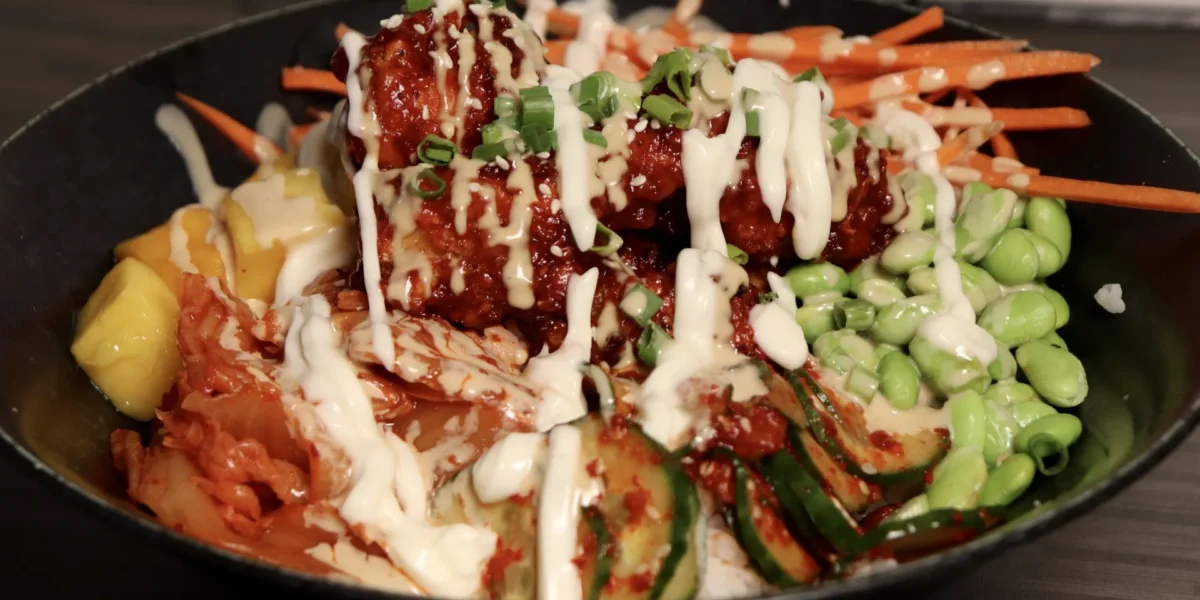
Learn how to make crispy Yangnyeom Korean fried chicken bites at home. These bite-sized pieces of chicken are double-fried until golden and coated in a sticky, sweet, spicy chicken gochujang sauce. Inspired by Korean cuisine, this Korean sticky chicken recipe tastes just like your favorite Korean restaurant.
What is Yangnyeom Korean fried chicken?
Yangnyeom Korean fried chicken is a popular Korean dish made with crispy double-fried chicken coated in a sweet, spicy, and sticky sauce made from gochujang, garlic, soy sauce, and syrup.
Expert Tips, Variations, and Storage
Why Is Korean Fried Chicken Fried Twice?
Double frying removes moisture from the coating and creates the signature ultra-crispy texture that Korean fried chicken is famous for.
Key Cooking Tips
- Use chicken thighs for juicier meat.
- Potato starch produces the crispiest crust.
- Fry in small batches.
- Use a thermometer for accurate oil temperature.
- Toss in sauce right before serving.
Variations and Substitutions
Milder Version
Reduce the amount of gochujang.
Extra Spicy
Add Korean chili flakes (gochugaru).
Air Fryer Version
Cook at 200 degrees until crispy and toss with sauce.
Gluten-Free Option
Use tamari instead of soy sauce.
Protein Variations
- Chicken breast
- Chicken wings
- Tofu
- Cauliflower bites
Storage and Reheating
Refrigeration
Store in an airtight container for up to 4 days.
Freezing
Freeze fried chicken separately for up to 2 months.
Reheating
Air fryer: 190 degrees for 5–7 minutes.
Nutrition Information
Nutrition Facts
Korean Yangnyeom Chicken
Ingredients
Chicken batter
- 500 g chicken fillet
- 1/2 tsp salt
- 1/2 tsp black pepper
- 2 tsp Gochugaru Korean chilli
- 70 g potato or corn starch
- 35 g all-purpose flour
- 1/4 tsp baking soda
- 1 large egg
Sauce
- 1.5 tsp vegetable oil
- 2 garlic cloves
- 1-inch ginger
- 6 tbsp ketchup
- 3 tbsp maple syrup
- 4 tbsp gochujang
- 3 tsp white vinegar
Instructions
Making the chicken
- Heat 2 inches of oil in a large heavy frying pan or pot over medium hight heat or deep fat fryer for about 10 to 12 minutes until the oil temperature reaches 180 degrees. I used my deep fat fryer, work by batches. If you don’t have a thermometer, test it by dipping one piece of chicken in the oil. If it bubbles, it is ready.
- While the oil is heating, combine chicken, salt, ground black pepper, starch, flour, baking soda, and eggs in a large bowl. Mix altogether well by hand.
- Add the coated chicken to hot oil one by one. Fry them until the thermometer shows 74 degrees or until the all sides of the chicken are golden brown and crunchy, turning over with tongs.
- Take out the chicken with tongs or a large slotted spoon to wire strainer over a bowl to remove the excess oil.
Making the sauce
- Heat the vegetable oil in a large skillet over medium high heat. Stir in garlic until light brown for about 30 seconds. Add the ketchup, maple syrup, gochujang, vinegar and stir well with a wooden spoon. Reduce the heat to low and stir until bubbling. Remove from the heat.
Second fry
- Let the oil heat up for 2 minutes over medium high heat until it reaches 180 degrees.
- Fry the chicken one more time, turning over with tongs for about another few minutes.
- Reheat the sauce over medium high heat until it’s bubbling again. Add all the hot crunchy chicken and mix well with a wooden spoon and tongs.
- Top with sesame seeds and finely chopped spring onion.
FAQ
Most Korean fried chicken uses potato starch or cornstarch rather than a heavy flour batter. This creates a thin and extra-crispy coating.
Potato starch provides a lighter and crunchier texture, making it ideal for authentic Korean fried chicken.
Japanese karaage is lightly seasoned and usually served without sauce, while Korean fried chicken is double-fried and coated with a sweet and spicy glaze.
The sauce contains sugar or honey or maple syrup or corn syrup or rice syrup, but sweetness can easily be adjusted to your preference.
Common causes include overcrowding the pan, oil temperature that is too low, and skipping the second fry.
Related recipes
For more east-Asian dishes check out my gyoza recipe, gyoza sushi bowl and 7/11 onigiri recipe. Enjoy!